




Blog
Sustainable Quarrying: Balancing Profit and Environmental Responsibility

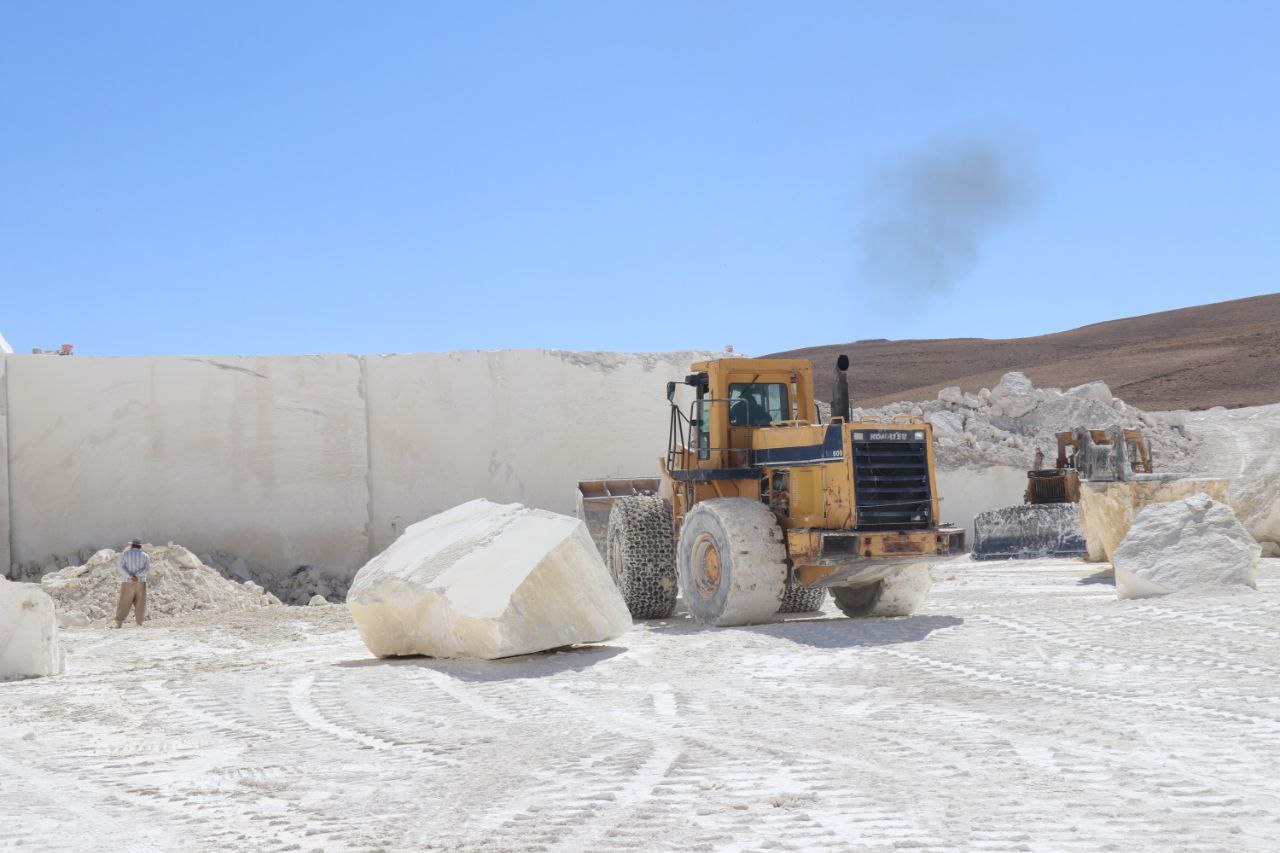
Introduction
The global demand for natural building stones continues to rise, driven by architectural innovation and sustainable construction trends. However, the process of quarrying — extracting stone from the earth — has significant environmental impacts. Balancing profitability with environmental responsibility has become a key challenge for stone exporters and producers worldwide.
At TSTrading Group, we believe that sustainability is not a limitation, but a long-term investment in the future of the industry. This article explores how modern quarrying practices can minimize environmental harm while maintaining economic growth.
1. The Environmental Impact of Traditional Quarrying
Conventional quarrying methods often lead to land degradation, deforestation, dust emissions, and water pollution. These activities not only affect local ecosystems but also damage the industry’s reputation and long-term viability.
To address these concerns, governments and trade organizations have introduced stricter environmental standards, pushing producers to adopt cleaner technologies and responsible mining techniques.
2. Sustainable Quarrying Practices
Sustainable quarrying focuses on minimizing environmental disruption while maximizing resource efficiency. Key practices include:
- Site Rehabilitation: After extraction, quarries should be restored by replanting vegetation and reshaping the land to prevent erosion.
- Water Recycling: Implementing closed-loop water systems reduces water waste during cutting and processing.
- Dust and Noise Control: Using modern filtration and noise-reduction systems helps protect nearby communities.
- Selective Extraction: Extracting only high-quality sections of stone minimizes unnecessary excavation and preserves the landscape.
These practices not only protect the environment but also enhance brand credibility and global market acceptance.
3. The Role of Technology
Innovation plays a critical role in modern quarry management. Advanced cutting machinery, GPS-based site planning, and automated transport systems allow for higher precision and less material waste.
Digital monitoring tools also help track fuel consumption, emissions, and productivity in real time — enabling quarry operators to make data-driven decisions that reduce their carbon footprint.
4. Economic Advantages of Sustainability
Contrary to common belief, sustainability can actually improve profitability. Environmentally responsible companies often gain easier access to international markets, especially in regions with strict import regulations such as the European Union.
Moreover, adopting energy-efficient technologies can significantly reduce operational costs over time.
For TSTrading Group, sustainability aligns with both ethical responsibility and business success — building trust with partners and clients worldwide.
5. Collaboration and Certification
Sustainability is not a solo effort. It requires collaboration between quarry owners, exporters, regulators, and consumers. Obtaining certifications such as ISO 14001 (Environmental Management) or LEED (Leadership in Energy and Environmental Design) helps exporters demonstrate compliance with global standards.
These certifications not only enhance transparency but also create a competitive advantage in the international market.
Conclusion
Sustainable quarrying represents the future of the stone industry — where environmental responsibility and economic growth coexist. By integrating modern technologies, responsible practices, and global cooperation, companies like TSTrading Group are shaping a more balanced and eco-friendly trade ecosystem.
Sustainability is not just a marketing trend; it’s the cornerstone of long-term trust, profitability, and global relevance.