




Blog
How to Choose Quality Stone for Architectural Projects

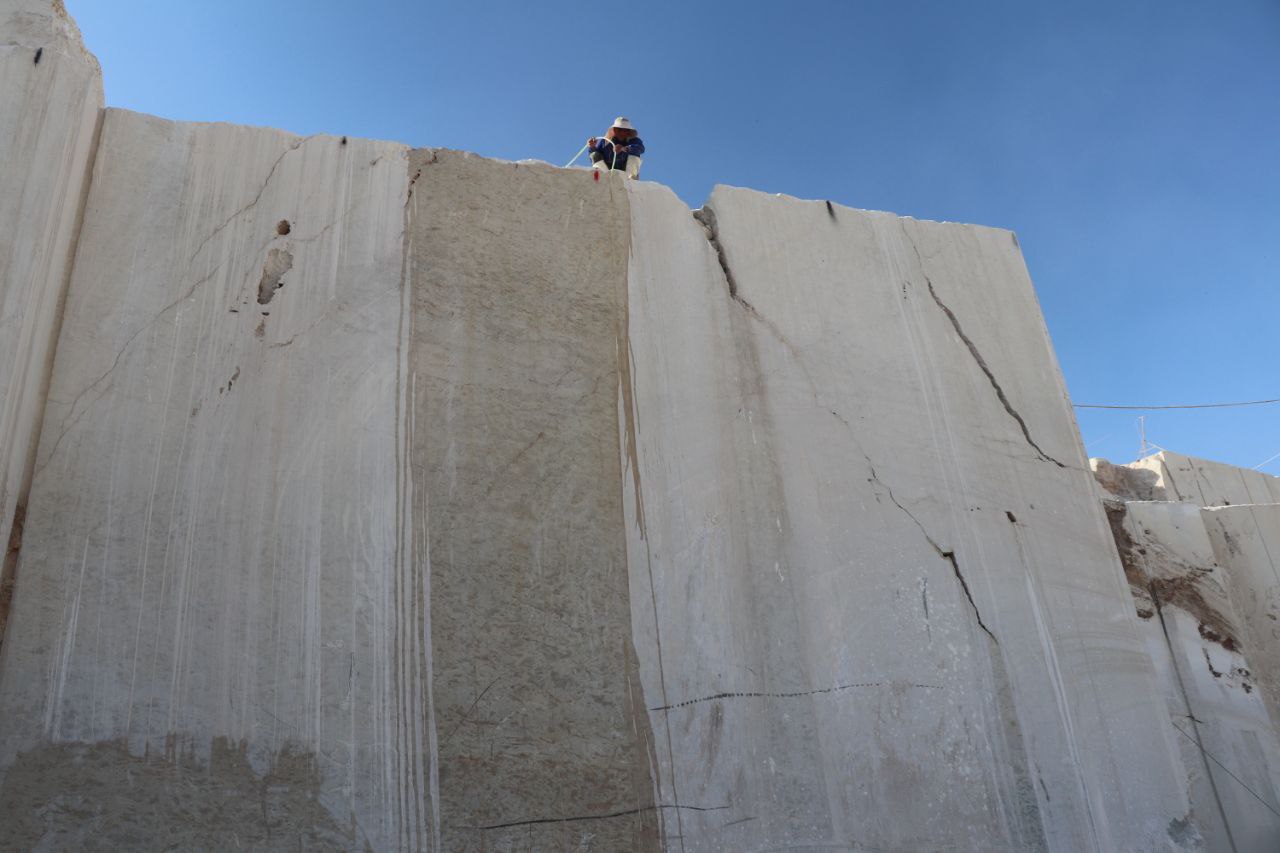
Introduction
Choosing the right natural stone for architectural and construction projects is more than just selecting a beautiful material — it’s a decision that affects durability, functionality, and the overall aesthetic of a space. Whether used for flooring, cladding, countertops, or landscaping, the quality of the stone directly determines the success and longevity of the project. In this article, we outline the key factors architects, builders, and buyers should consider when selecting natural stone for various applications.
1. Understanding Stone Types and Their Properties
Natural stones come in a variety of types, each with its unique physical and visual characteristics.
- Marble offers elegance and luxury, but requires regular maintenance.
- Granite is extremely durable and suitable for heavy-use areas.
- Travertine adds a classic touch, often used for facades and flooring.
- Limestone has a softer texture, ideal for indoor decorative elements.
Tip: Identify the environmental conditions and intended use before choosing the stone type. Exterior applications, for instance, need stones that can resist moisture, temperature variations, and UV exposure.
2. Assessing Quality and Grading
Not all stones are created equal — even slabs from the same quarry can vary in quality. The grading of natural stones depends on factors like uniformity, color consistency, surface finish, and absence of cracks or veins.
Tip: Always request inspection reports, certificates, or sample photos before confirming an order. Professional exporters like TSTrading Group perform quality checks at every stage — from quarry selection to final packaging — ensuring only premium-grade materials reach the client.
3. Evaluating Aesthetic Appeal and Color Matching
Architectural harmony depends on the visual coherence of materials. Natural stones vary in tone, pattern, and veining, so consistent color matching is crucial for large-scale projects.
Tip: When selecting slabs, view multiple pieces under natural light and from different angles. Request the supplier to send images of full slabs, not small samples, to ensure the desired aesthetic. Maintaining batch consistency during installation ensures a flawless final look.
4. Surface Finishes and Texture Options
The finish of a stone affects not only its appearance but also its functionality. For instance:
- Polished finishes give a reflective, luxurious look suitable for interiors.
- Honed finishes provide a matte surface ideal for modern designs.
- Flamed or brushed finishes increase slip resistance, making them perfect for outdoor areas.
Tip: Match the finish to the application. For exterior flooring, prioritize safety and durability over shine.
5. Durability and Maintenance Considerations
Natural stones differ in hardness, porosity, and resistance to external factors. High-traffic commercial areas require harder stones like granite, while decorative walls can use softer materials like marble or limestone.
Tip: Ask suppliers for water absorption rates and density values. Stones with low porosity resist stains and weathering better. Also, consider periodic sealing treatments to extend the lifespan of the stone.
6. Sustainability and Ethical Sourcing
With growing environmental awareness, sustainability has become a key aspect of modern architecture. Choosing stones from responsibly managed quarries ensures minimal environmental impact and ethical labor practices.
Tip: Partner with suppliers who follow environmental regulations and promote sustainable quarrying. TSTrading Group prioritizes transparency and eco-friendly sourcing to meet the expectations of global clients.
7. Reliable Supply Chain and Professional Support
Even the best stone is only valuable when delivered safely and on time. A trustworthy trading partner provides full logistical support, from inspection and packaging to export documentation.
Tip: Choose suppliers with proven export experience and global partnerships. TSTrading Group ensures each project runs smoothly with professional service, accurate documentation, and secure global shipping.
Conclusion
Selecting the right natural stone is both an art and a science. Aesthetics, durability, and technical performance must align with the vision of the project. By understanding stone properties, ensuring quality control, and working with reliable exporters, architects and developers can achieve lasting results.
With its commitment to excellence, quality assurance, and customer satisfaction, TSTrading Group stands as a trusted partner for premium Iranian natural stones — where every detail reflects craftsmanship, authenticity, and timeless beauty.